Accessible toilets
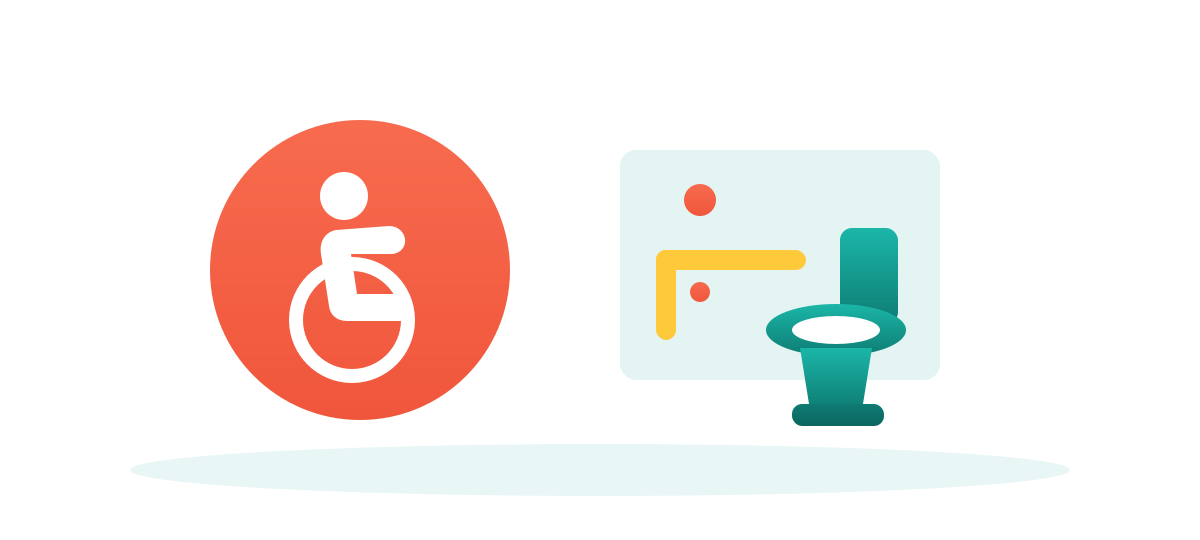
By law, most public facilities in Korea must provide accessible toilets. You will find them in subway stations, public buildings, department stores, parks and rest areas, usually a larger stall with grab bars and room for a wheelchair.
Bballi Bballi lets you filter for accessible toilets specifically, so you can find one that fits your needs rather than discovering the barrier when you arrive.
Step-free subway access
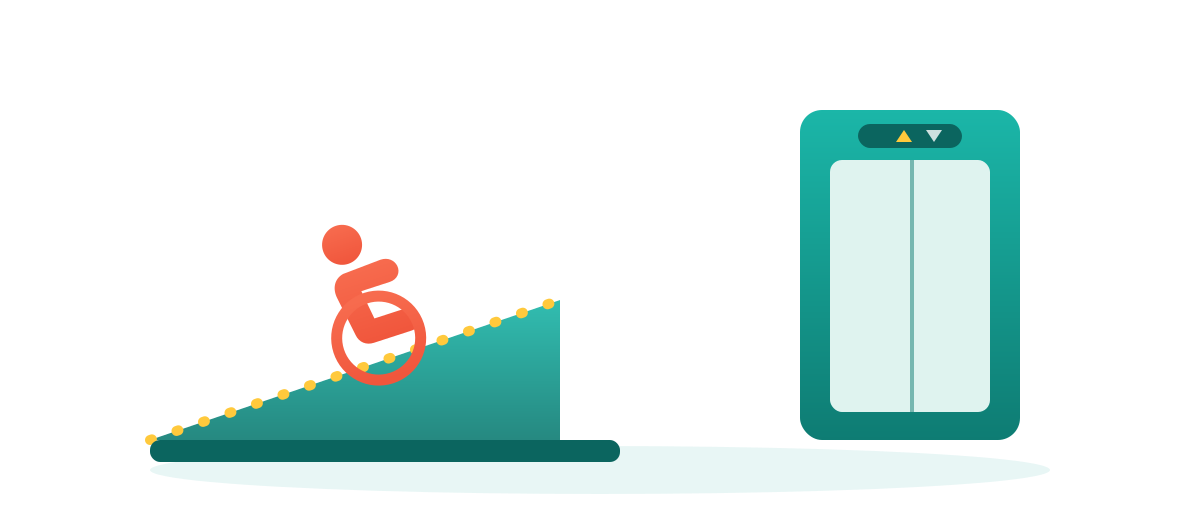
Most subway stations have elevators connecting the street, concourse and platform, plus tactile paving and priority seating. Wide fare gates accommodate wheelchairs; look for the gate marked for accessibility.
A minority of older stations rely on stair-mounted wheelchair lifts, which are slower and sometimes need staff assistance. If step-free travel is essential, confirm elevator access for both your origin and destination before you set out.
Buses and taxis
- Many city buses are low-floor with a ramp; availability varies by route and time.
- Some regions offer call-based accessible taxi services for registered users.
- Trains between cities (KTX and others) have accessible seating and boarding assistance if arranged.
Planning tips
- Map your route by elevator, not just by distance. The shortest path is not always step-free.
- Major tourist sites and newer buildings are generally well equipped; historic sites and older neighborhoods can be harder.
- Priority seats and spaces are respected on public transport.
- Strollers benefit from the same elevators and ramps, so this planning helps families too.